Archive for July 3rd, 2013
Important Message
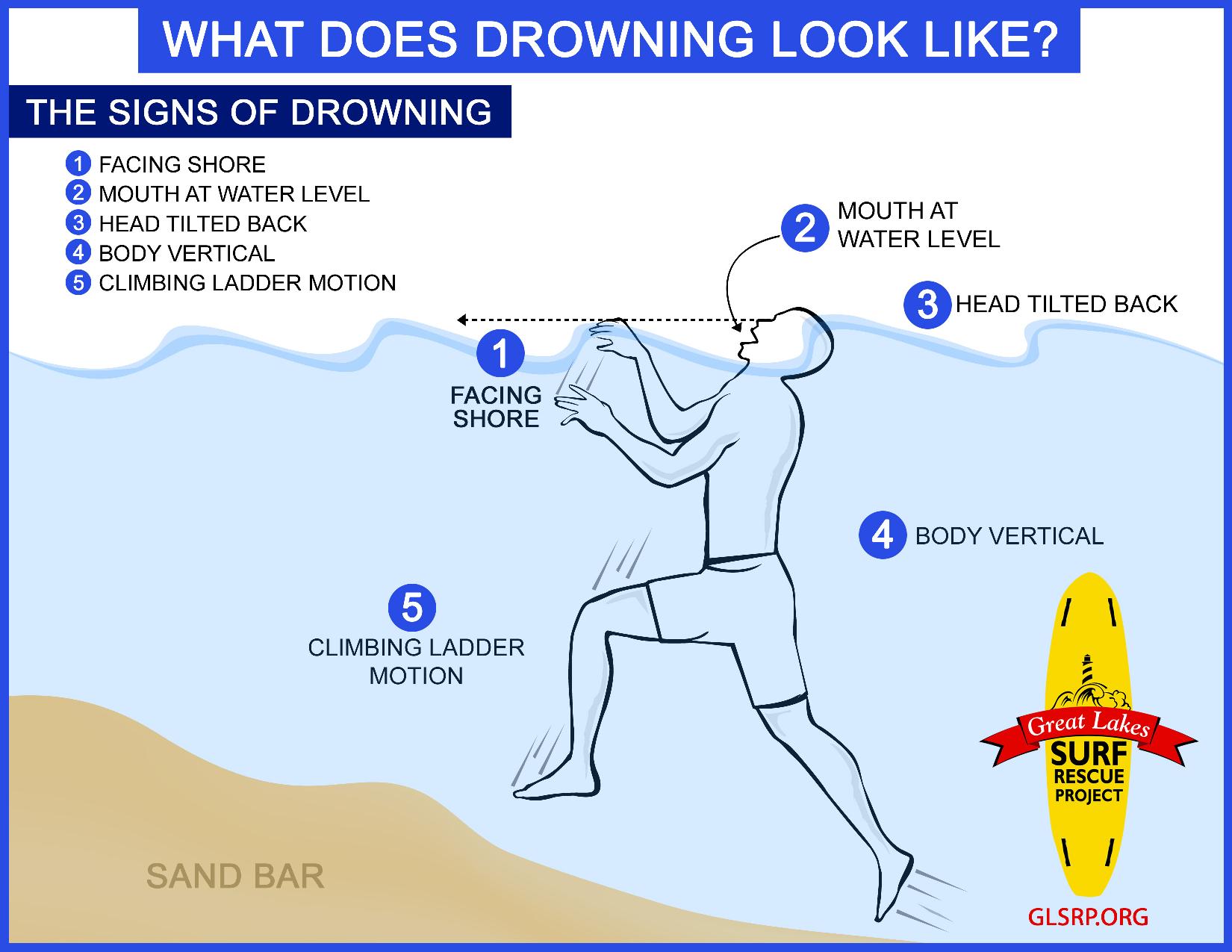
This week the U.S. celebrates our Independence Day, and in the nick of time, warm and sunny weather is settling into the region. That means a lot of people will be heading to their favorite lake places and vacation spots, and probably spending some time splashing in lakes and pools. On Monday, I was shocked to see a rather morbid graphic with an article in a local paper on the subject of drowning, and what drowning actually looks like.
Even though the subject can be disturbing and unpleasant, I’m glad it caught my attention. I learned something very important about drowning, and it is something that I believe should be more universally known, especially by parents of young children.
Revisiting the online version of the article that I had read in the paper version of the StarTribune, I don’t find the same haunting graphic, but the drama of the gripping opening paragraphs is there:
The new captain jumped from the deck, fully dressed, and sprinted through the water. A former lifeguard, he kept his eyes on his victim as he headed straight for the couple swimming between their anchored sportfisher and the beach.
“I think he thinks you’re drowning,” the husband said to his wife. They had been splashing each other and she had screamed but now they were just standing, neck-deep on the sand bar. “We’re fine; what is he doing?” she asked, a little annoyed. “We’re fine!” the husband yelled, waving him off, but the captain kept swimming hard.
“Move!” he barked as he sprinted between the stunned boat owners. Directly behind them, not 10 feet away, their 9-year-old daughter was drowning. Once she was safe above the surface in the arms of the captain, she burst into tears, “Daddy!”
I did not realize that a drowning person does not present the classic signals of distress that I expected would be present, and that have been used for years by the television and film industry to convey the situation: yelling for help, splashing in the water, and flailing about. It doesn’t work that way in real life, and that is very important to know.
Before I learned to swim, which was long after most children do, I jumped off a raft for the umpteenth time one day, and shockingly discovered it had floated far enough away from shore that I was now out over my head. I thought I would drown. I swallowed water, hit the bottom and came back up. I didn’t make a sound. There wasn’t much time to think, but I recall not wanting to make a fuss or draw attention. What a silly, and potentially deadly, reaction that is. I didn’t make a sound.
 Luckily, that bounce off the bottom I made, moved me forward enough that I sensed I was close, and I bounced down and back up a couple of times until the water was no longer over my head. Coughing, I made my way back to shore and sat on land for a long time. I didn’t tell anyone what had happened. I was embarrassed that I didn’t know how to swim.
Now, I think about all the times in my life that I have been charged with supervising swimming children, to assure their safety, and I shudder over the fact that I never actually knew the most important sign I should really have been on the lookout for.
Watch out for that kid who goes quiet!
I found a better graphic in an online search, at the site of The Great Lakes Surf Rescue Project, Inc. I encourage you to visit their page to read about the real signs of drowning.


 Relative Something